residential plumbing services
The Complete Guide to Maintaining a Healthy Home Plumbing System

Viktor ZH
A well-functioning plumbing system is one of the most essential yet often overlooked components of a comfortable home. From delivering clean water to removing waste efficiently, plumbing supports daily routines in ways most homeowners rarely consider—until something goes wrong. Whether it’s a dripping faucet, a clogged drain, or a burst pipe, plumbing issues can quickly disrupt your life and lead to costly repairs if not handled properly.
Understanding how your home’s plumbing works, how to maintain it, and when to call professionals for residential plumbing services can save you time, money, and stress. This comprehensive guide explores everything homeowners need to know about maintaining a reliable plumbing system.
Understanding the Basics of Home Plumbing
Before diving into maintenance and repairs, it’s helpful to understand the basic structure of a residential plumbing system. Most homes rely on two primary subsystems:
1. Water Supply System
This system brings fresh water into your home under pressure. It typically includes:
- Main water line
- Pipes (copper, PEX, or PVC)
- Valves and faucets
- Water heater
2. Drain-Waste-Vent (DWV) System
This system removes wastewater and ensures proper ventilation:
- Drain pipes
- Sewer line
- Vent pipes
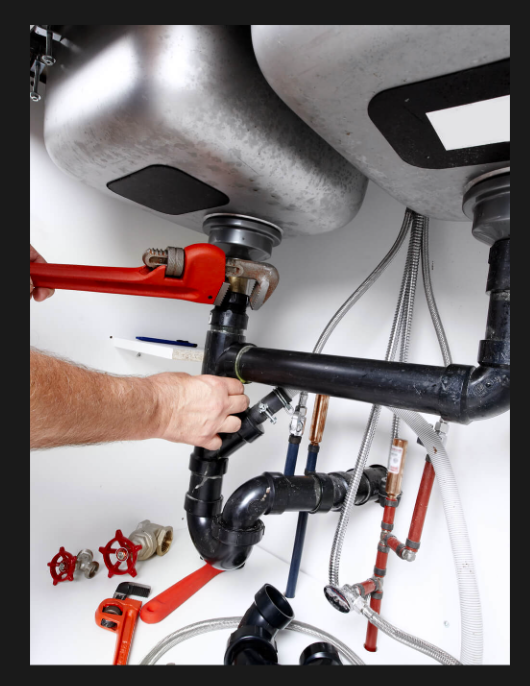
- Traps (like the P-trap under sinks)
These systems work together seamlessly—until a blockage, leak, or malfunction occurs.
Common Plumbing Issues in Homes
Even in well-maintained homes, plumbing problems can arise. Some of the most common issues include:
Leaky Faucets
A dripping faucet might seem minor, but it can waste hundreds of gallons of water over time. The usual cause is a worn-out washer or cartridge.
Clogged Drains
Hair, grease, soap scum, and debris can accumulate in pipes, leading to slow or blocked drains.
Running Toilets
A continuously running toilet often results from a faulty flapper valve or float mechanism, wasting water and increasing utility bills.
Low Water Pressure
This can be caused by mineral buildup, leaks, or issues with the municipal water supply.
Burst Pipes
Frozen or aging pipes can burst, causing significant water damage and requiring immediate attention.
Preventative Maintenance Tips
The best way to avoid costly repairs is through regular maintenance. Here are practical steps every homeowner should follow:
Inspect for Leaks Regularly
Check under sinks, around toilets, and near appliances like dishwashers and washing machines. Early detection can prevent major issues.
Clean Drains Naturally
Avoid harsh chemicals. Instead, use a mixture of baking soda and vinegar followed by hot water to keep drains clear.
Monitor Water Pressure
Ideal home water pressure is between 40–60 psi. Higher pressure can strain pipes and fixtures.
Flush Your Water Heater
Sediment buildup in the tank can reduce efficiency and lifespan. Flushing it once a year is recommended.
Insulate Pipes
In colder climates, insulating pipes prevents freezing and bursting during winter.
When to Call Professionals
While DIY fixes can handle minor issues, some problems require expert attention. This is where professional residential plumbing services become essential.
Situations That Require a Plumber:
- Persistent leaks
- Sewer line issues
- Water heater malfunction
- Major clogs or backups
- Pipe replacement or installation
Professional plumbers have the tools, experience, and knowledge to diagnose and resolve issues efficiently and safely.
Upgrading Your Plumbing System
Modern plumbing technology offers numerous opportunities to improve efficiency and convenience in your home.
Install Water-Efficient Fixtures
Low-flow toilets, faucets, and showerheads can significantly reduce water usage without sacrificing performance.
Upgrade to Tankless Water Heaters
These systems provide hot water on demand, improving energy efficiency and saving space.
Smart Plumbing Devices
Leak detectors, smart shut-off valves, and water usage monitors help homeowners prevent damage and optimize consumption.
Signs Your Plumbing Needs Immediate Attention
Ignoring early warning signs can lead to major damage. Be alert to:
- Unusual noises in pipes
- Sudden spikes in water bills
- Damp spots on walls or ceilings
- Foul odors from drains
- Slow drainage throughout the house
These symptoms often indicate deeper issues that require prompt intervention.
Seasonal Plumbing Checklist
Maintaining your plumbing system throughout the year ensures long-term reliability.
Spring
- Check for winter damage
- Inspect outdoor faucets
- Clean gutters and drains
Summer
- Monitor water usage
- Inspect irrigation systems
- Check for leaks during peak usage
Fall
- Prepare pipes for colder weather
- Drain outdoor hoses
- Service water heater
Winter
- Insulate exposed pipes
- Keep indoor temperature stable
- Let faucets drip during extreme cold
DIY vs. Professional Repairs
Many homeowners wonder whether they should attempt repairs themselves or call a professional. The answer depends on the complexity of the issue.
DIY-Friendly Tasks:
- Unclogging minor drains
- Replacing faucet washers
- Fixing running toilets
Tasks Best Left to Professionals:
- Pipe installation or replacement
- Sewer line repairs
- Gas line work
- Major leak detection
Attempting complex repairs without proper knowledge can worsen the problem and increase costs.
Cost Considerations
Understanding the potential costs of plumbing services can help you budget effectively.
Factors That Influence Cost:
- Severity of the issue
- Location of the problem
- Materials required
- Labor time
Routine maintenance is far more affordable than emergency repairs, making prevention a wise investment.
Choosing the Right Plumbing Service
Not all plumbers offer the same level of expertise and reliability. When selecting a service provider, consider:
- Licensing and certification
- Experience and specialization
- Customer reviews
- Availability (especially emergency services)
- Transparent pricing
A trustworthy plumbing professional will provide clear communication and high-quality workmanship.
Environmental Impact of Plumbing
Sustainable plumbing practices are becoming increasingly important. Conserving water and reducing waste benefits both your household and the environment.
Eco-Friendly Practices:
- Fix leaks promptly
- Use water-efficient appliances
- Avoid flushing non-biodegradable items
- Reuse greywater where possible
These small changes can have a significant long-term impact.
Final Thoughts
Your home’s plumbing system is a vital infrastructure that requires attention, care, and occasional professional support. By understanding how it works, recognizing common issues, and practicing preventative maintenance, you can avoid many costly problems.
When issues do arise, knowing when to rely on expert residential plumbing services ensures that problems are resolved efficiently and safely. Investing in proper plumbing care not only protects your home but also enhances comfort, efficiency, and peace of mind.